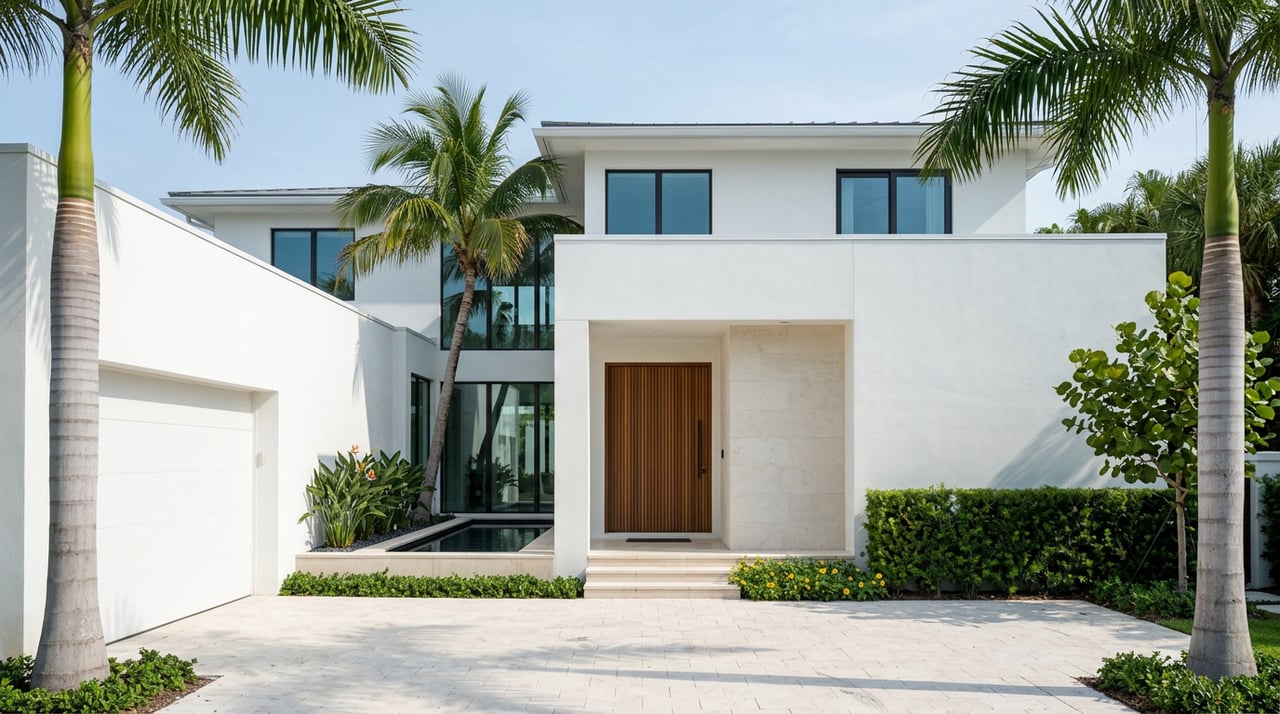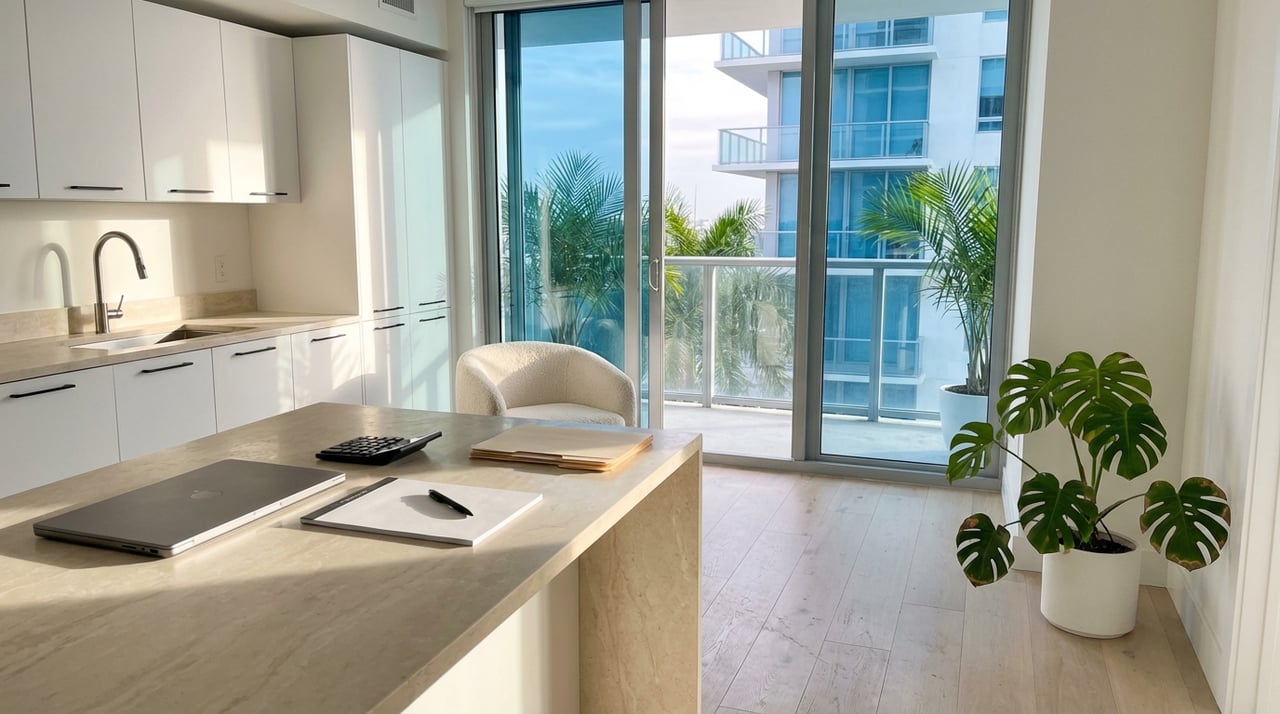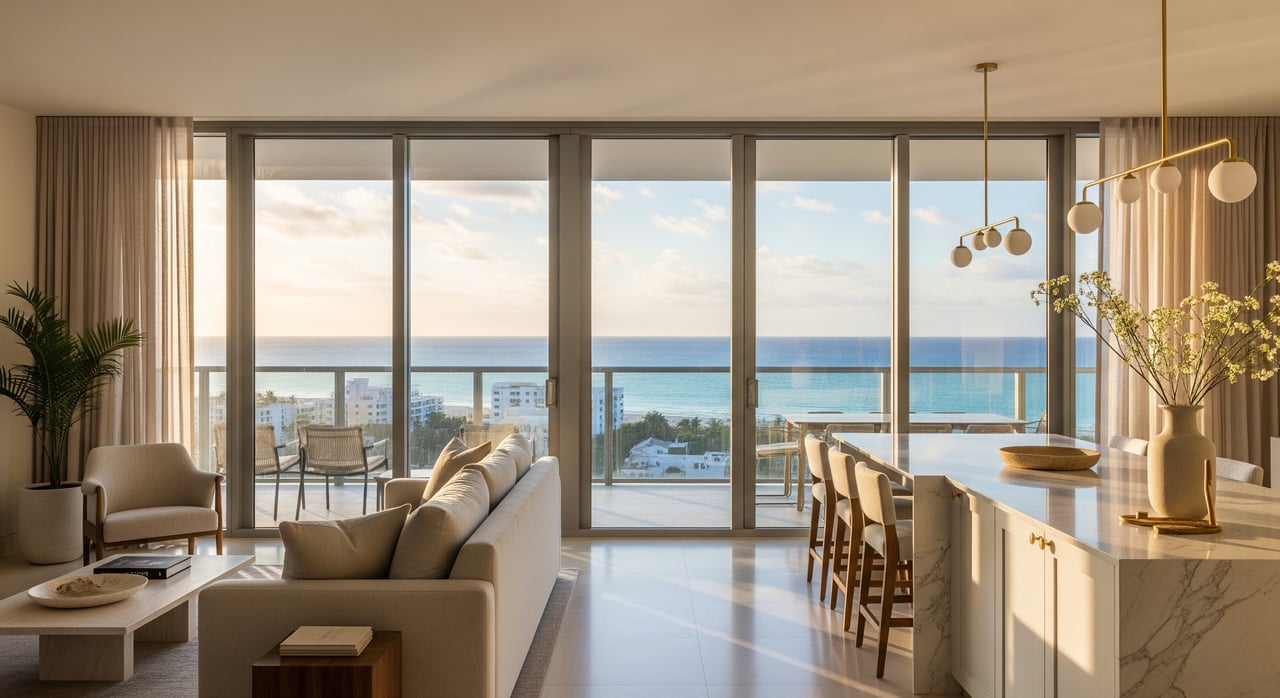
Dreaming of a place by the water, with sunrises over the Atlantic or sunsets on Biscayne Bay? Buying a condo in Miami Beach can bring that vision to life, but the process has unique steps and details that are easy to miss. You want to make a smart move, avoid costly surprises, and choose a building that fits your lifestyle and budget. This guide gives you a clear path from pre‑approval to closing, with checklists, financing tips, and building due diligence you should not skip. Let’s dive in.
Quick checklist for Miami Beach condo buyers
- Get mortgage pre‑approval and ask your lender about condo project approval requirements.
- Set priorities: price range, size, parking, amenities, rental rules, and ocean vs bay vs inland.
- Budget for down payment, closing costs, HOA move‑in fees, and reserves for special assessments.
- Target neighborhoods by lifestyle: South Beach, Mid‑Beach, North Beach and Normandy Isles, or inland options near Alton Road.
- Include contract contingencies for financing, inspections, and condominium document review.
- Order an inspection and review the building’s engineering reports if available.
- Request condo documents, board meeting minutes, reserve study, and an estoppel certificate.
- Confirm insurance needs and get quotes for HO‑6 and flood coverage.
- Verify lender project approval before ordering appraisal when possible.
- Plan closing logistics, HOA approvals, parking transfers, and elevator reservations.
Your step‑by‑step timeline
1) Pre‑approval and priorities
Get pre‑approved before you tour. Many lenders have extra requirements for condos, including project approval and documentation. Early pre‑approval sets a realistic budget and reveals whether your target buildings are compatible with your loan program. Clarify non‑negotiables like parking, pet rules, rental limits, and amenity must‑haves.
2) Search and shortlist by neighborhood
Miami Beach is a collection of micro‑markets. South Beach offers high walkability to dining and nightlife. Mid‑Beach blends resort energy with residential towers. North Beach and Normandy Isles feel more residential. Inland pockets west of Collins Avenue and near Alton Road can offer value with easier street access. Compare buildings for HOA financial health, building age, and amenity costs.
3) Make a strong, protected offer
Desirable buildings can be competitive. Structure your offer with protection and clarity. Include a financing contingency, an inspection period that covers the unit and key building items, and a condo document review period. Ask your agent about pricing strategy and escalation only if it fits your goals and risk tolerance.
4) Due diligence and condo document review
Once under contract, immediately request core documents. You will want the declaration, bylaws, rules, current budget, audited financials, reserve study, meeting minutes, certificate of insurance, litigation disclosures, and an estoppel certificate. Review reserves, special assessments, owner occupancy, delinquency rates, and insurance deductibles. Order a unit inspection and consider an engineer if you have concerns about structure, garage flooding, or façade conditions.
5) Lock financing and confirm project approval
Ask your lender whether the building already meets their project standards. If not, underwriting may request HOA financials and documentation, or require a higher down payment. Some programs, including FHA or VA, have strict project criteria. If the building will not qualify with your chosen lender, discuss alternatives early.
6) Price insurance and confirm flood exposure
Miami Beach buyers should account for hurricane wind and flood risk. The association typically insures the structure and common areas. You will likely need an HO‑6 policy for interior finishes and personal property, and possibly flood insurance based on the building’s location and lender requirements. Get quotes during due diligence so monthly costs are accurate.
7) Close and coordinate move‑in
Confirm HOA application and board approval timelines, elevator reservations, and deposits for move‑in. Obtain access fobs, parking assignments, storage transfers, and utility setup details. Before funding, make sure you have a final estoppel to confirm any amounts due at closing.
What to look for in condo documents
The right documents tell the building’s story. Focus on these sections to understand financial strength and risk.
- Budget, audited financials, and reserve study. Compare reserve balances to the study’s recommendations. Low reserves may indicate future special assessments.
- Meeting minutes for the last 6 to 12 months. Look for discussions about façade, roof, elevators, parking decks, and concrete. Note any pending projects or disputes.
- Special assessments and capital projects. Confirm scope, timeline, and who pays at closing. Ask if assessments will continue after you take ownership.
- Owner occupancy and rental rules. Some lenders prefer higher owner occupancy and restrictions on short‑term rentals. Check whether rentals are allowed, minimum leases, and any caps.
- Delinquency rates. High delinquency can strain the budget and increase assessment risk.
- Insurance coverage and deductibles. Understand what the master policy covers and the wind or hurricane deductible. Large deductibles can lead to assessments after a storm.
- Litigation and official notices. Ask for details on any pending lawsuits, code issues, or local orders involving the building.
Florida’s Condominium Act, Chapter 718, sets disclosure obligations and owner rights to inspect association records. Use your document review period to exercise those rights and get answers in writing.
Financing and lender rules for condos
Financing a condo can be different from financing a single‑family home. Lenders look at both you and the building.
- Conventional loans. Often available, but lender overlays vary. Buildings with high investor ratios, low reserves, or litigation may face tighter requirements.
- FHA and VA loans. These programs have their own project approval processes. Buildings that allow short‑term rentals or have significant commercial space may not qualify.
- Jumbo loans. Common in luxury towers. Underwriting typically reviews HOA financial health closely and may ask about climate and flood exposure.
- Down payment and reserves. Lenders sometimes require higher down payments or additional borrower reserves for condos.
- Cash purchases. Cash avoids project approval issues and can strengthen your negotiation position, but you still need full documents and inspections.
Ask lenders up front if your pre‑qualification depends on receiving HOA financials. Local lenders who know Miami Beach buildings can often streamline project approval and help avoid delays.
Costs you should budget for
Buying a condo includes upfront and ongoing costs. Build a budget that reflects both.
Closing costs
Closing costs vary by loan program and local taxes. Expect items such as loan origination, appraisal, credit report, title search and insurance, recording fees, and prepaid insurance and interest. If you are financing, lender fees and escrows will apply. A practical rule is to budget about 2 to 5 percent of the purchase price for buyer closing costs, then confirm exact numbers with your lender and title company.
Ongoing costs
- Monthly HOA dues. Fees vary widely. Oceanfront luxury buildings with full services often have higher dues.
- Special assessments. These can be one‑time or spread over months or years. Check recent history and planned projects in the minutes and budget.
- Property taxes. The county assesses value each year. Confirm estimates based on your expected purchase price and exemptions.
- Utilities and services. Budget for electricity, internet or cable, and any amenity fees not included in HOA dues.
Insurance
- Master policy. The HOA insures the structure and common areas. Verify coverage limits and deductibles.
- HO‑6 condo policy. Typically covers interior finishes, personal property, and loss assessment.
- Flood insurance. Many buildings are in flood zones where lenders require coverage. Private flood policies may be available in addition to the National Flood Insurance Program.
- Wind and hurricane. Understand whether the master policy’s deductible could lead to a post‑storm assessment.
Ask for the building’s elevation details and any flood mitigation improvements. Elevation certificates and resilience upgrades can influence premiums.
Oceanfront vs bayfront vs inland
Oceanfront
- Lifestyle. Beach access and wide‑open Atlantic views are the draw. Many towers offer doormen, pools, spas, and beach service.
- Considerations. Highest exposure to salt, wind, and storm surge. Insurance and maintenance costs are often higher. Beach activity can add noise in busy areas.
Bayfront
- Lifestyle. Calmer water, marinas, and skyline views. Great for boating and paddle sports.
- Considerations. Exposure to tidal flooding and sea level rise in low‑lying areas. Some locations experience nuisance flooding during king tides.
Inland
- Lifestyle. A more residential feel with proximity to shops and services. Often a lower price per square foot than direct waterfront.
- Considerations. Flood risk still varies by elevation and drainage. Fewer premium views but potentially lower HOA and insurance costs.
When you tour, picture your everyday routine. Consider parking, walkability, elevator count, staff presence, and the feel of the lobby and common areas. Match the building’s vibe with your lifestyle.
Building safety and recertification
After the 2021 Surfside tragedy, structural inspections and recertification schedules became a higher priority across South Florida. In Miami‑Dade and the City of Miami Beach, older buildings may be subject to recertification and enhanced oversight. As a buyer, ask if the building has recent engineering reports, whether any recertification is due, and if repair plans are funded. Review minutes, budgets, and notices for façade, balcony, concrete, or garage work that could lead to assessments or temporary disruptions.
Red flags to watch closely
- Low reserves or no reserve funding plan.
- Repeated or large special assessments with no long‑term fix.
- Significant pending litigation or contractor disputes.
- High owner delinquency rates in the financials.
- Large master policy wind or hurricane deductibles with no plan for loss assessments.
- Buildings nearing recertification without engineering studies or funding.
If you see multiple red flags, negotiate a longer inspection window, seek insurance quotes early, and price in a contingency reserve.
Practical next steps and local checks
Use these steps to finish strong.
- Confirm with your lender whether the condominium project meets their standards before ordering appraisal.
- Request all condo documents, including the most recent reserve study and insurance certificate.
- Get insurance quotes for HO‑6 and flood coverage during your inspection period.
- Ask the association for owner occupancy, rental rules, and delinquency statistics.
- Check local flood maps and city resilience projects that may affect the building.
- Order a thorough unit inspection and consider an engineer’s review if structural work is noted in minutes.
- Obtain a final estoppel within the required window before closing.
Ready to buy in Miami Beach?
You deserve a smooth purchase and a building that supports your lifestyle for years to come. With the right plan, careful document review, and accurate cost estimates, you can buy with confidence and enjoy the best of Miami Beach living. If you want private insights on buildings, off‑market options, and a guided process from search to closing, connect with Tatsiana Hladkaya, PA.
FAQs
How long does buying a Miami Beach condo take?
- Most purchases take 30 to 60 days from contract to close, depending on financing, HOA approval timelines, and document review.
What condo documents should a buyer review before closing?
- Request the declaration, bylaws, rules, current budget, audited financials, reserve study, meeting minutes, insurance certificate, litigation disclosures, and an estoppel.
Are Miami Beach condos harder to finance than houses?
- Sometimes. Lenders review the building’s financials, reserves, occupancy, litigation, and insurance in addition to your credit and income.
How much are buyer closing costs in Miami Beach?
- A practical estimate is 2 to 5 percent of the purchase price, but you should confirm exact numbers with your lender and title company.
Do I need flood insurance for a Miami Beach condo?
- If your building is in a flood zone and you finance the purchase, your lender will likely require flood insurance. Cash buyers should still evaluate risk and pricing.
What is the difference between oceanfront and bayfront condos?
- Oceanfront offers beach access and open ocean views with higher exposure to wind and surge. Bayfront offers marinas and skyline views with tidal flooding considerations.