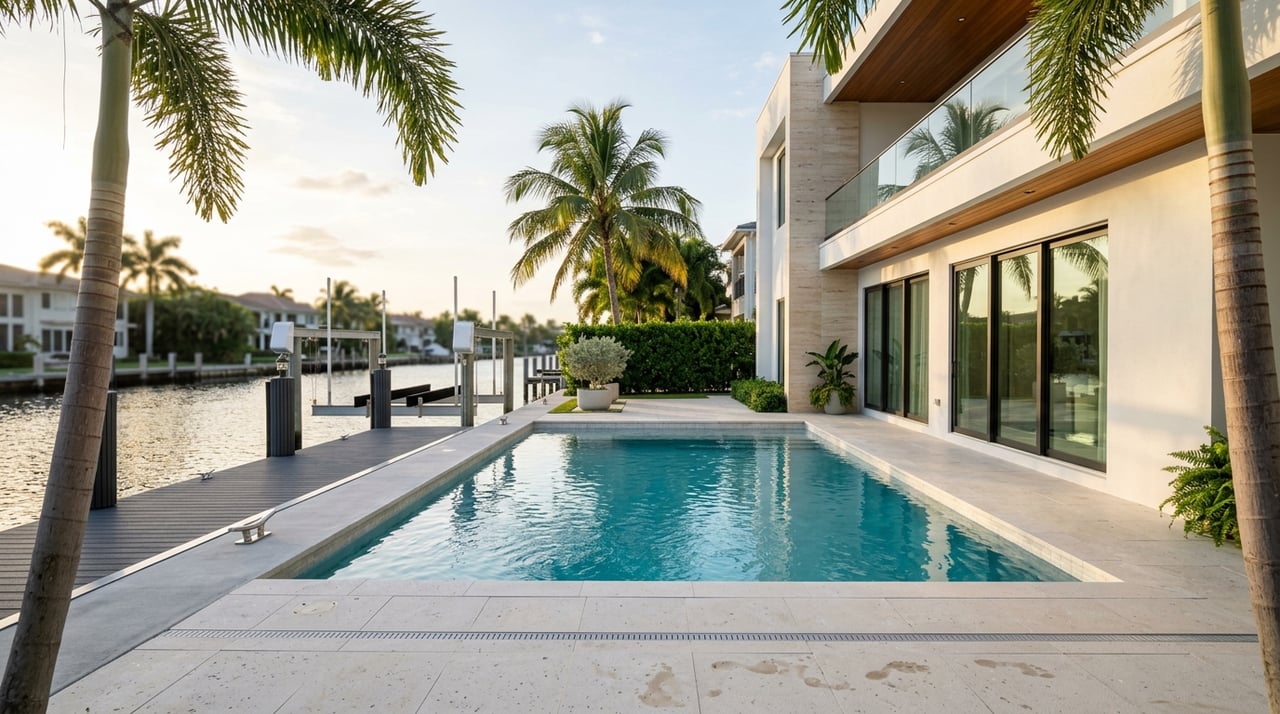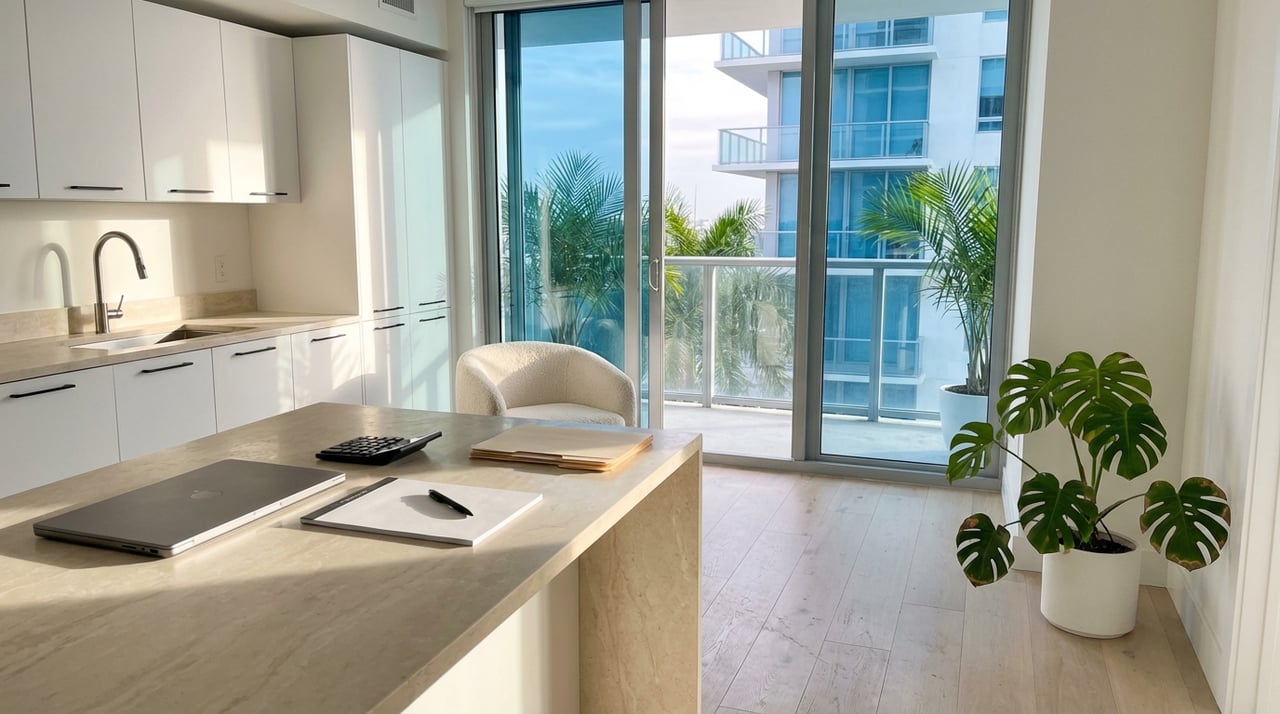
Wake up to the sound of waves, step out to a private beach setup, and let a concierge handle the details. If that picture fits your next chapter, oceanfront condo living in Sunny Isles Beach deserves a close look. You want lifestyle, access, and peace of mind, and you also want to understand real costs, rules, and building quality before you buy. This guide gives you a clear view of daily life in the towers, what amenities really mean, and the key questions to ask so you can choose the right building with confidence. Let’s dive in.
Why Sunny Isles Beach stands out
Sunny Isles Beach sits on a slim barrier island between Bal Harbour to the south and Aventura and Golden Beach to the north. The city is a linear oceanfront corridor of mid to high‑rise condos, with Collins Avenue (A1A) as the main spine. That layout shapes everything from walkability to traffic and access.
The buyer pool is diverse. You see affluent second‑home owners, international buyers, and local professionals and retirees who value full‑service living. Ownership skews toward condominiums, many with robust amenity packages and professional building management.
Building amenities and services
Resort-style benefits
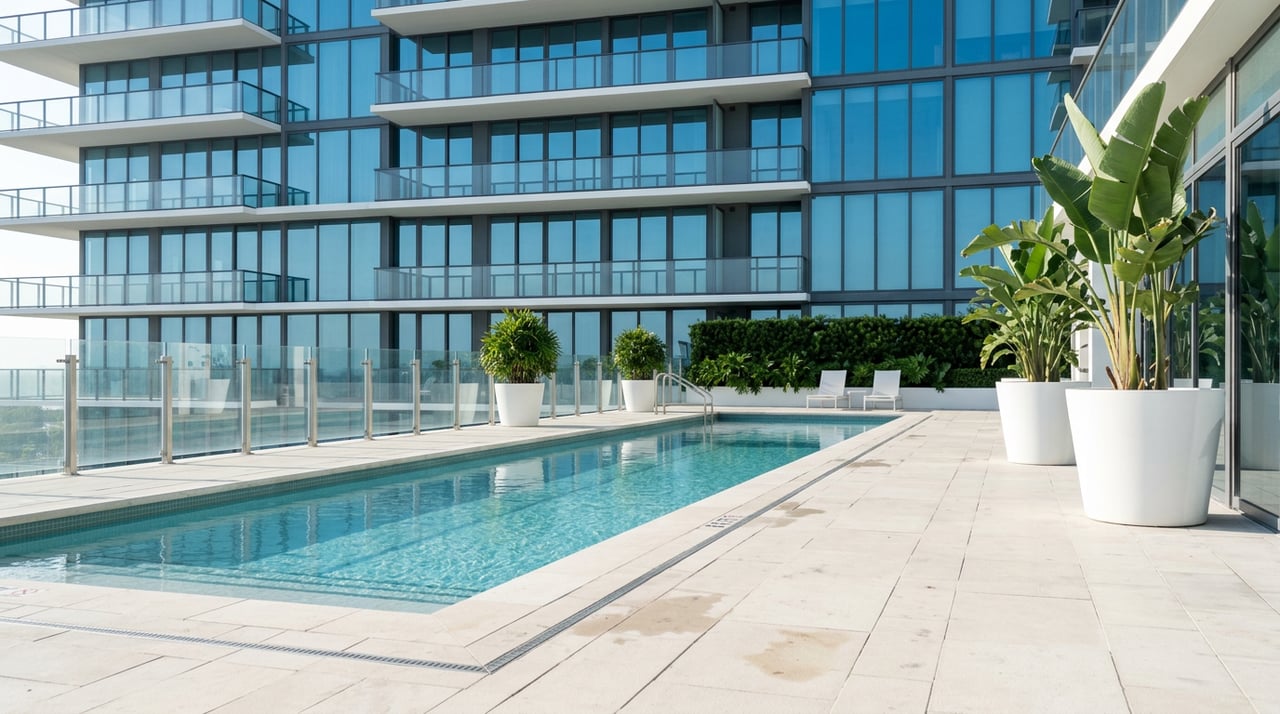
Most oceanfront towers deliver a resort feel. Common features include multi‑lane pools, resident beach clubs with chair and umbrella service, full fitness centers, spa or sauna facilities, private cinema lounges, concierge and valet, and secured parking. Some signature towers include unique offerings like private sky garages or robotic parking. Service levels vary, so tour several buildings to compare how each experience feels day to day.
What HOA fees cover
Monthly condo fees usually fund building staff, security, common‑area utilities, landscaping, insurance on the structure, and reserves. The more services and on‑site staff a building carries, the higher the fees tend to be. Understanding the budget and reserves helps you see what you are paying for and whether fees are aligned with service.
Beach access, public and private
Florida beaches are public up to the mean high‑water line. Many buildings add private comforts for residents, such as reserved sections, attendants, and towel service. For current beach operations and access points, visit the City of Sunny Isles Beach.
Daily life on the oceanfront
Essentials and conveniences
You can handle daily needs within a short drive. Neighborhood supermarkets and boutique retailers sit along Collins Avenue, and many residents make quick runs to nearby Aventura or Bal Harbour for groceries and luxury shopping. Some towers include ground‑floor retail or convenience stores that make quick errands simple.
Dining and leisure
Collins Avenue offers a mix of casual cafés and upscale dining, with hotel restaurants and resort concepts sprinkled along the coastline. You are also a short drive from broader Miami dining scenes in Miami Beach and Downtown. Beach mornings, late‑afternoon swims, and sunset strolls become easy habits.
Outdoor recreation
Your routine can be as active as you like. Residents enjoy paddleboarding, swimming, jogging along the shoreline, and visits to nearby parks and marinas for boating and kayaking. On this narrow island, boating access is typically through nearby marinas rather than private docks at oceanfront buildings.
Getting around and commuting
Collins Avenue realities
Collins Avenue is the primary north‑south artery and can be congested, especially in peak season. Most residents rely on cars, with garage or valet parking provided by buildings. Visitor and curb parking are limited, so plan guest visits accordingly.
Regional access and airports
I‑95 and area expressways connect you inland. Depending on traffic, you can reach either Miami International or Fort Lauderdale-Hollywood International for flights. Drive times vary, so allow flexibility around peak hours.
Transit options
Public transit is available through county bus routes and local connections. Some neighborhoods offer shuttle or trolley links to nearby shopping and transit nodes. For route information and schedules, check Miami‑Dade Transit.
Costs and ownership essentials
Price tiers and what drives value
Prices vary widely by building age, unit size, view, and service level. Older, smaller buildings often provide the most affordable entry to the beachfront. Newer luxury towers and penthouses command significant premiums, especially with unobstructed ocean views or larger, full‑floor layouts. If you plan to finance, verify condo project eligibility with your lender early, since underwriting for condos can be stricter than for single‑family homes.
Ongoing monthly and annual costs
- HOA fees: Expect higher fees in full‑service towers where staffing, amenities, and reserves are more robust.
- Insurance: Master building policies typically cover the structure and common elements. You will likely carry an HO‑6 policy for your interiors. Because oceanfront properties sit in flood hazard zones, flood insurance can be an important expense. Learn more at FEMA flood insurance.
- Property taxes: Miami‑Dade County taxes are based on assessed value and applicable exemptions. Review details with the Miami‑Dade Property Appraiser.
Hurricane season planning
Hurricane season runs from June through November. Buildings prepare by securing common areas and may temporarily close certain amenities. You should understand your building’s storm protocols, elevation, and protective features. For preparedness tips, see National Hurricane Center guidance.
Safety, inspections, and rules
Building recertification and reserves
After high‑profile incidents in Florida, state and local authorities increased scrutiny of older buildings. Many communities updated inspection timelines and reserve requirements. Review the building’s inspection history, engineering reports, and reserve study during due diligence to gauge structural planning and long‑term costs.
Condo governance and documents
Request and read the essentials: declaration and bylaws, budget and reserves, recent meeting minutes, any pending litigation, and building policies for pets and renovations. These documents help you understand use rules and the likelihood of special assessments.
Short‑term rentals
Short‑term rental rules vary by building and municipality. Many condos limit leases to 30 days or longer, and some require additional licensing. Confirm the building’s policy and local requirements before you buy if rental flexibility matters to you.
Lifestyle advantages and tradeoffs
What you will love
- Resort‑style living with concierge, beach, pool, and wellness services.
- Water‑centric days with instant beach access and ocean views.
- A secure, managed environment that suits lock‑and‑leave living.
What to weigh carefully
- High carrying costs from HOA fees, wind and flood insurance, and taxes.
- Seasonal hurricane risk and the need for preparedness.
- A vertical lifestyle that trades privacy and space for service and location.
- Collins Avenue congestion and limited guest parking at peak times.
Smart buyer checklist
Use this quick checklist to guide your due diligence:
- Review condominium documents, budgets, reserves, recent minutes, and any litigation.
- Confirm structural inspection and recertification history; ask for engineering reports.
- Understand insurance: what the master policy covers, plus your HO‑6 and flood needs.
- Ask for operating statements and staffing levels to see what drives HOA fees.
- Check for recent or planned special assessments and elevator or common‑area upgrades.
- Verify financing eligibility with your lender if you plan to finance.
- Visit at different times to assess noise, traffic, and sunlight on your preferred stack.
- Confirm rental rules, guest parking, and any city registration or licensing requirements.
Is Sunny Isles Beach right for you?
If you want a turnkey coastal lifestyle with services that simplify your day, Sunny Isles Beach’s oceanfront towers deliver. The key is matching your priorities with the right building culture, amenities, and budget. With clear due diligence, you can secure a residence that feels like a private resort and functions well for daily life or a seasonal escape.
Ready to explore curated options, including private and off‑market opportunities across Sunny Isles Beach, Bal Harbour, and nearby coastal communities? Connect with Tatsiana Hladkaya, PA for concierge guidance tailored to your goals.
FAQs
Can residents use the beach freely in Sunny Isles Beach?
- Florida beaches are public up to the mean high‑water line, while many condos offer private beach services like chairs and attendants for residents.
Are HOA fees high in Sunny Isles Beach towers?
- Fees vary by building and service level, with full‑service towers typically carrying higher monthly costs than older, simpler buildings.
How does hurricane season impact oceanfront condo living?
- From June to November, residents follow building protocols for preparation, and certain amenities may close temporarily; plan ahead and review preparedness resources.
Can I do short‑term rentals in an oceanfront condo?
- Rules differ by building and city requirements, and many associations set minimum lease terms such as 30 days; confirm policies before you buy.
What due diligence should I do before choosing a tower?
- Review condo docs, reserves, inspections, and assessments; confirm insurance needs and financing eligibility; visit at different times to test drive the building experience.