Choosing between oceanfront and bayfront living in Miami Beach is not just about which view you like better. It is about how you want to spend your mornings, weekends, and everyday moments at home. If you are weighing direct beach access against boating convenience, this guide will help you understand the real lifestyle tradeoffs in Miami Beach. Let’s dive in.
Oceanfront vs Bayfront Basics
Miami Beach sits on a barrier island between the Atlantic Ocean and Biscayne Bay. That makes the east-west split especially important because oceanfront and bayfront homes connect you to two very different waterfront experiences.
The simplest way to think about it is this: oceanfront is the beach side, and bayfront is the boat side. Both offer water views and a premium coastal setting, but your daily routine can feel very different depending on which side of the island you choose.
Why Oceanfront Feels Different
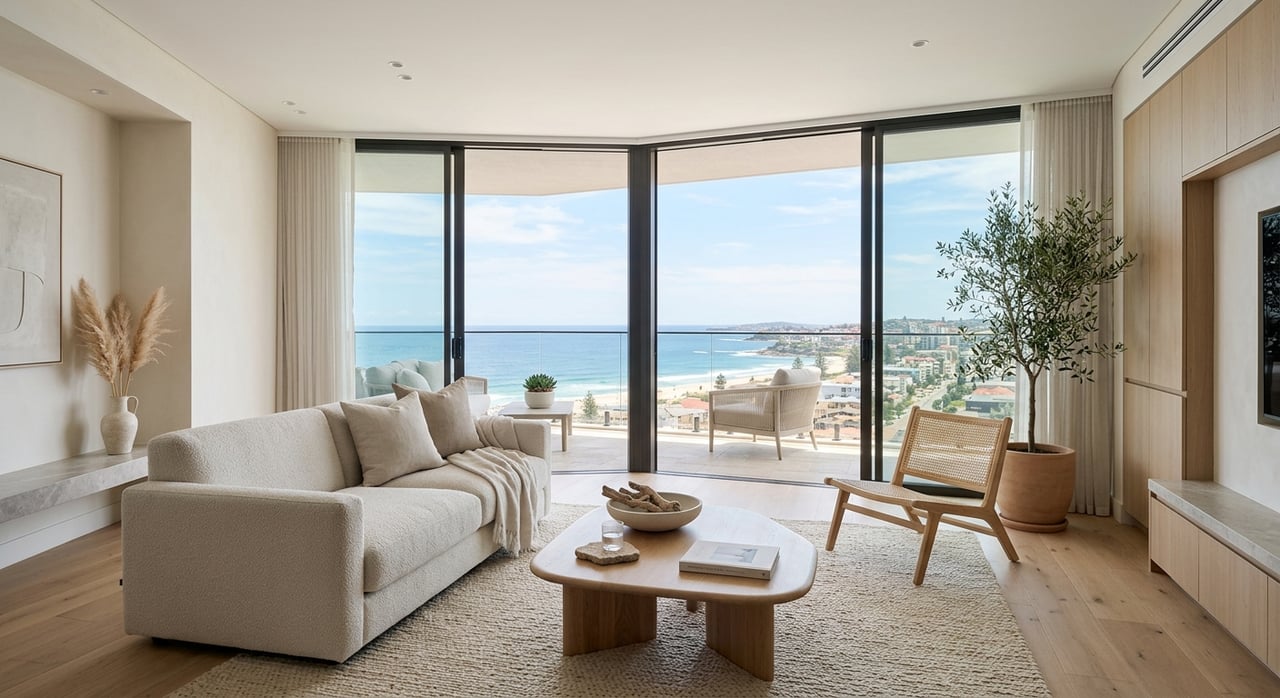
Oceanfront living in Miami Beach is usually the stronger fit if you want the beach to be part of your regular routine. You are closer to the city’s public beach system, which spans about 7 miles and supports swimming and recreation with lifeguards, flags, beach-condition advisories, and swim buoys that help separate swimmers from boating traffic.
That public beach presence shapes the experience. You may find the setting feels more active, more resort-oriented, and more tied to the rhythm of beach life than other waterfront options in South Florida.
Beach access is the main draw
If your ideal day starts with a walk on the sand or ends with time near the water, oceanfront can be hard to beat. Miami Beach also manages daily sargassum cleanup along its 7.5-mile beach, which speaks to how closely the city maintains and monitors this shoreline environment.
Beach entrances may also include rules or security checkpoints for items like coolers, glass containers, tents, and amplified music. For some buyers, that structure supports a more orderly beach experience. For others, it is simply part of living next to one of the region’s most used public amenities.
Design often leans resort-style
Miami Beach’s own guidance treats the oceanfront as a distinct setting. The city calls for view, light, and breeze corridors, and oceanfront projects also require a dune district landscape plan.
That planning framework helps explain why many oceanfront properties feel more connected to a beach-club or resort atmosphere. The setting is not just about the water itself. It is also about landscaped beachfront edges, open walkways where possible, and a stronger visual relationship to the shoreline.
Why Bayfront Feels Different
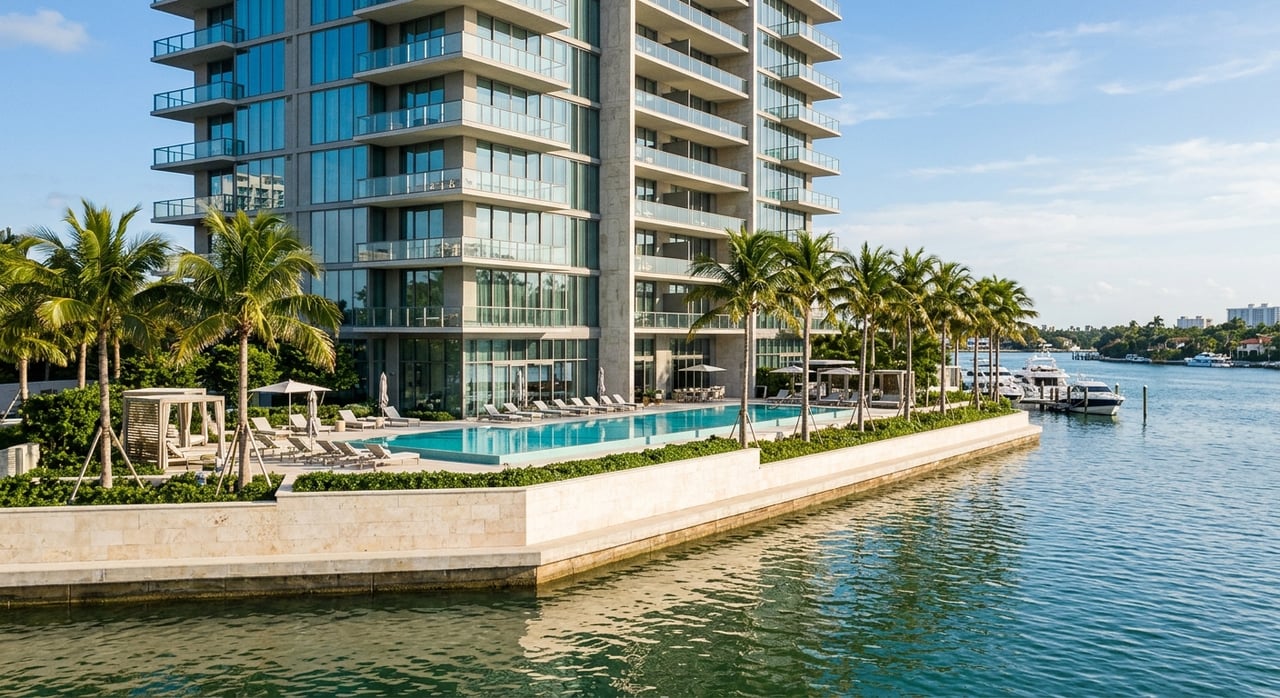
Bayfront living in Miami Beach tends to appeal more to buyers who want boating access, marina utility, and easier connection to the bay side of the region. Instead of centering life around the sand, bayfront living often centers it around docks, marinas, boat activity, and water transportation.
If you see yourself using a boat more often than a beach chair, bayfront may be the better fit. It offers a different kind of waterfront convenience.
Boating and marina access matter more
Bay-side water use in Miami Beach is more marina-oriented. The city’s marina-related fee structure includes wet slips, moorings, trailer dry storage, boat launches, and landing fees, which reflects the practical boating ecosystem available on the bay side.
For buyers who want dockage or regular access to boating services, this can be a major advantage. Florida also requires boater safety certification for operators born on or after January 1, 1988, so it helps to factor that into your planning if boating is part of your lifestyle.
Water transit adds another layer
Biscayne Bay also connects Miami Beach to the mainland in a way that can feel especially useful day to day. The city’s free water taxi runs across the bay between Maurice Gibb Memorial Park and Venetian Marina & Yacht Club, with a published trip time of about 20 minutes and connections to trolley and Miami transit.
That does not mean every bayfront home will feel transit-driven. It does mean the bay side offers a mobility option that aligns naturally with marina and boating life.
Daily Lifestyle Comparison
When buyers compare oceanfront and bayfront homes, the smartest question is often not “Which one is better?” It is “Which one fits how you actually want to live?”
Here is a simple way to frame the difference:
| Lifestyle Priority | Oceanfront Living | Bayfront Living |
|---|---|---|
| Everyday water experience | Direct connection to the beach | Stronger connection to boating and marinas |
| Best fit for | Beach-first buyers | Boating-first buyers |
| Public access environment | More interaction with the public beach system | More alignment with docks, slips, and water transit |
| Typical feel | Resort-like, sand-oriented, active shoreline | Utility-driven, marina-oriented, connected to bay travel |
If you love sunrise walks, direct sand access, and the energy of the shoreline, oceanfront may feel more intuitive. If you value dockage, boat services, and bay mobility, bayfront may better support your routine.
What to Consider Beyond the View
Views matter in Miami Beach, but they should not be the only factor in your decision. A smart purchase also looks at maintenance, storm planning, and how the property may appeal to future buyers.
This is especially important in a coastal market where location on the island shapes both lifestyle and ownership responsibilities.
Flood and storm exposure affect both sides
Whether you choose oceanfront or bayfront, you are still buying on a low-lying barrier island. According to the City of Miami Beach, 93% of all buildings are in the Special Flood Hazard Area under current FEMA maps, and all of Miami Beach is in an evacuation zone during major storms.
The city also notes that low elevation contributes to drainage challenges and flooding from heavy rainfall, high tides, and storm surge. In other words, this is not just an oceanfront issue or a bayfront issue. It is a Miami Beach ownership reality.
Oceanfront may bring more salt-spray wear
Oceanfront owners should also expect more direct exposure to salt spray. FEMA notes that salt spray from breaking waves and onshore winds can speed up corrosion, especially in humid coastal conditions.
In practical terms, that can affect hardware, railings, balconies, and exterior materials. If you are comparing two otherwise similar properties, it is worth asking about building maintenance, material durability, and upkeep history, especially on the ocean side.
Resale Depends on Buyer Match
Many buyers ask whether oceanfront or bayfront is better for resale. The more useful answer is that resale often depends on how well the property matches the next buyer’s lifestyle priorities.
Oceanfront inventory usually speaks most clearly to beach-first buyers. Bayfront inventory usually attracts buyers who care more about boating access, marina services, or water-taxi convenience.
Because the city treats beach access and marina access as different systems, the strongest resale position often comes from clear lifestyle alignment. That does not guarantee one side will outperform the other on price. It does mean the best fit today can also help support a stronger fit for tomorrow’s buyer.
Which Side Is Right for You?
If your dream of Miami Beach living is built around sand, shoreline energy, and direct beach use, oceanfront likely deserves the first look. If your vision includes dockage, boat days, and bay connectivity, bayfront may feel more natural from the start.
Neither side is automatically better. The right choice depends on whether you want your waterfront life to revolve around the beach or the bay.
When you are comparing luxury condos, waterfront homes, or discreet off-market opportunities in Miami Beach, clarity matters. Working with an advisor who understands how these micro-lifestyle differences affect value and fit can help you buy with more confidence.
If you are exploring Miami Beach waterfront opportunities, Tatsiana Hladkaya, PA offers concierge-level guidance, curated inventory, and discreet support tailored to your goals.
FAQs
What is the main difference between oceanfront and bayfront living in Miami Beach?
- Oceanfront living centers on direct beach access and the public beach experience, while bayfront living is more closely tied to boating, marinas, and water transit.
Is oceanfront or bayfront better for boating in Miami Beach?
- Bayfront is generally the stronger match for boating because the bay side is more marina-oriented and better aligned with slips, launches, storage, and water access services.
Is oceanfront living more maintenance-heavy in Miami Beach?
- It can be, because oceanfront properties usually face more direct salt-spray exposure, which can accelerate wear on metal hardware, railings, balconies, and exterior materials.
Do oceanfront and bayfront homes in Miami Beach share flood risk?
- Yes. The City of Miami Beach says 93% of buildings are in the Special Flood Hazard Area, and all of Miami Beach is in an evacuation zone during major storms.
Is oceanfront or bayfront better for resale in Miami Beach?
- Resale often depends on buyer fit rather than a universal rule, with oceanfront usually appealing to beach-first buyers and bayfront usually appealing to boating-first buyers.