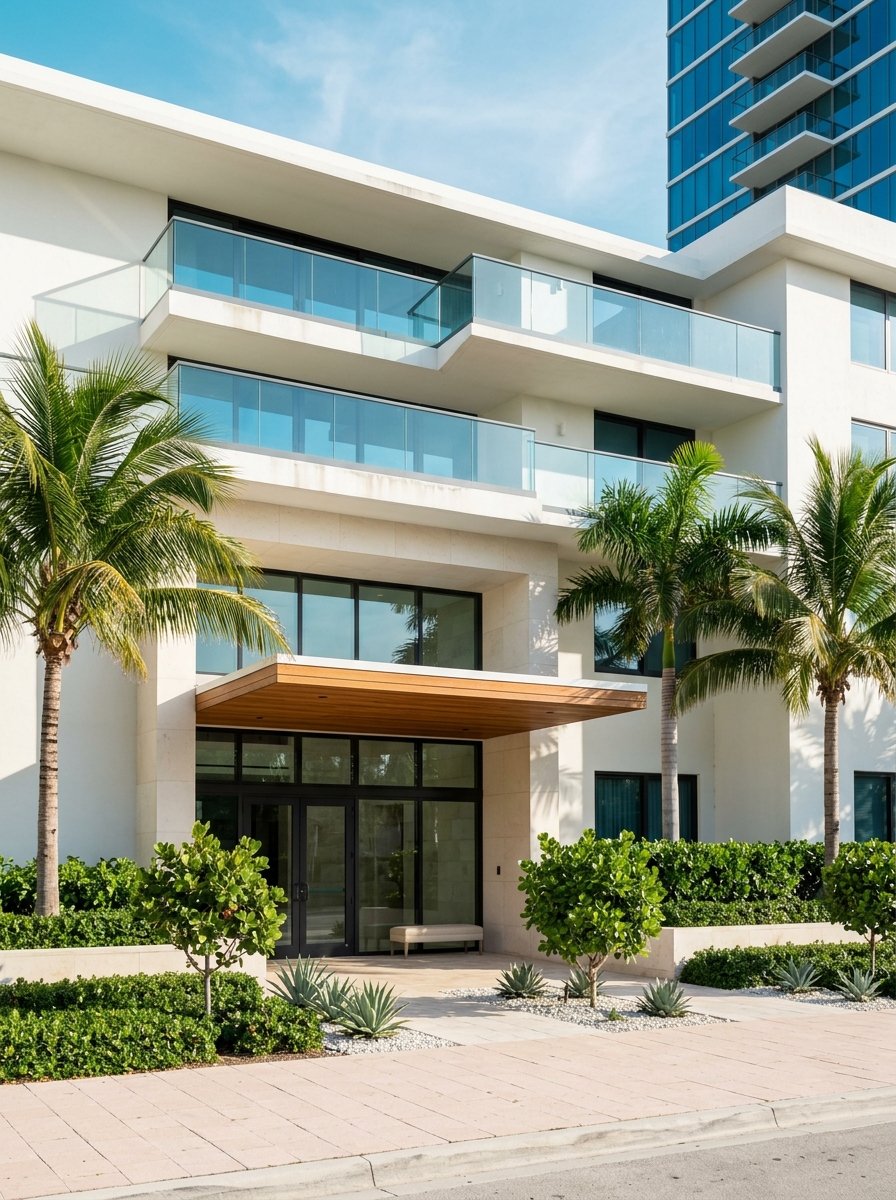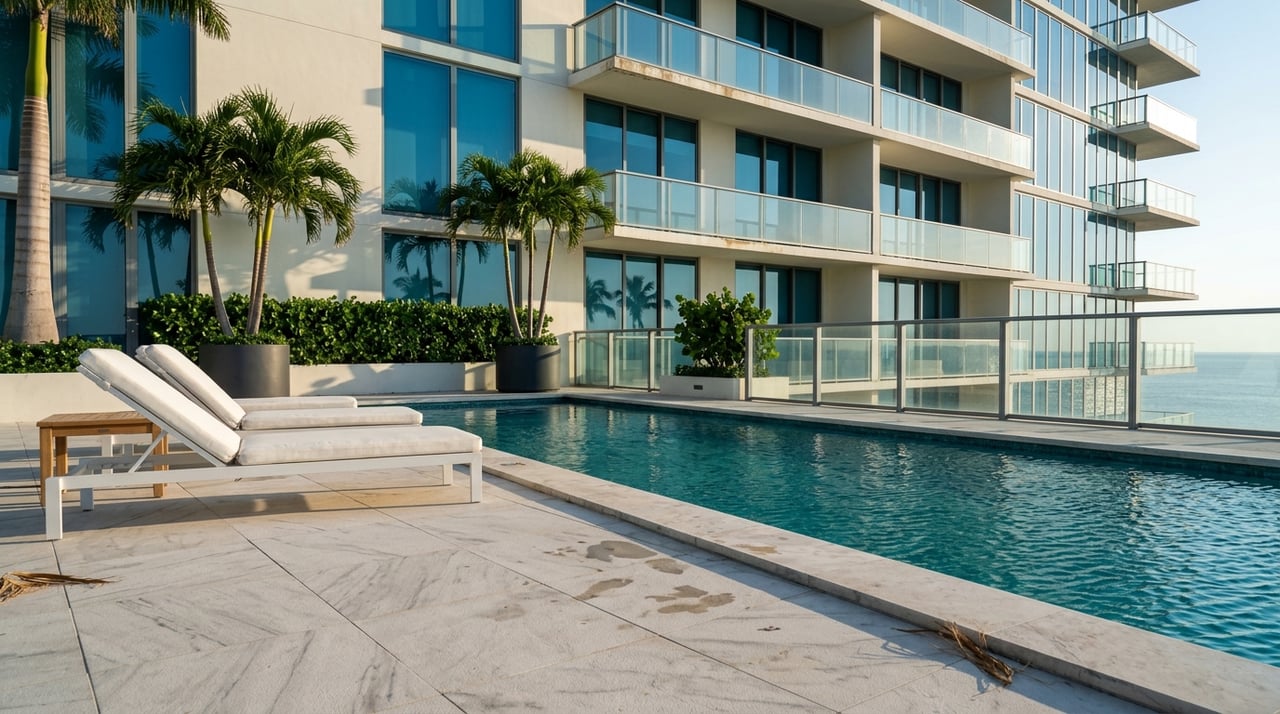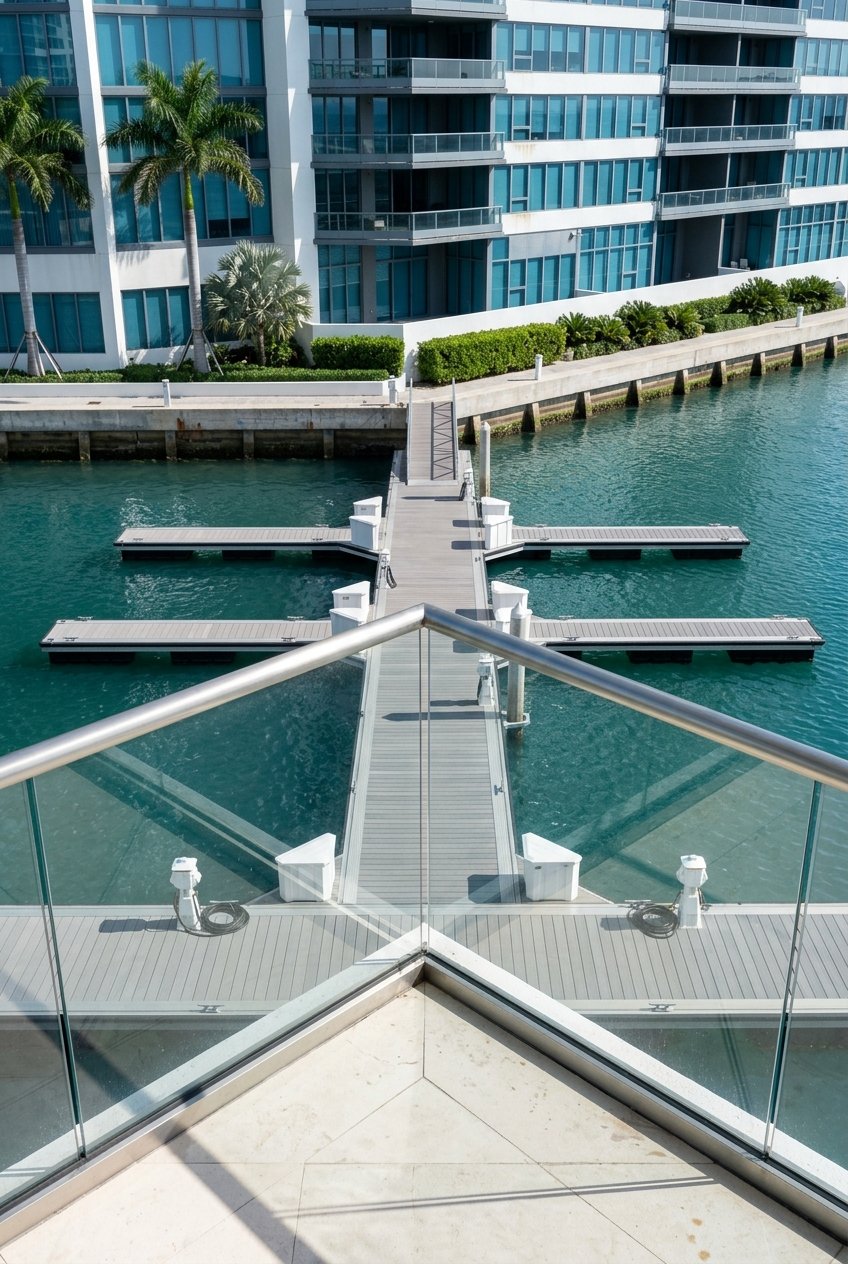
If you are shopping for a waterfront condo in Aventura as a boater, the view should not be your first filter. In this part of Miami-Dade, your boating experience depends just as much on bridge clearances, inlet access, slip rights, and storm planning as it does on the building itself. A smart purchase starts with understanding how your boat will actually move from the condo to open water and back again. Let’s dive in.
Why route planning comes first
Aventura appeals to boaters because it sits within a busy Intracoastal Waterway network and offers relatively direct access to Bakers Haulover Inlet. That location can be a real advantage if you want to get out on the water often, reach service facilities, or keep open-water access within a manageable run.
But not every waterfront condo works for every vessel. NOAA notes key route constraints in the Aventura and Sunny Isles stretch, including a 65-foot fixed bridge at N.E. 192nd Street, a 30-foot bascule at the Sunny Isles bridge, and a 32-foot fixed bridge at Bakers Haulover Inlet. If your boat has height-sensitive equipment, these clearances can shape your options before amenities or finishes ever enter the conversation.
Bridge clearance can be a deal maker
For many buyers, the biggest surprise is that a condo can sit on the water and still be a poor fit for the boat. If your vessel’s air draft is close to local bridge clearances, you need to confirm the route carefully rather than assume access will be simple.
NOAA’s Coast Pilot also notes slow-no-wake areas near Haulover and recorded inlet currents of about 2.9 knots on the flood and 2.5 knots on the ebb. That matters if you use your boat frequently, run on a schedule, or prefer a more predictable path to the ocean.
Open-water access is only one part of it
Biscayne Bay and the nearby Intracoastal corridor have a large concentration of small-craft facilities, marine railways, lifts, ramps, fuel, electricity, and repair services. In practical terms, that means your best condo choice is not just about ocean access. It is also about how easily you can reach fuel, maintenance, and seasonal storage when needed.
If you boat often, even small logistics can shape your long-term satisfaction. A beautiful residence may still be inconvenient if servicing the boat feels harder than it should.
What to confirm about slips and dock rights
One of the most important questions in any boating condo purchase is simple: what exactly comes with the unit? In Florida condominiums, a slip may be tied to the property in different ways, and the legal structure matters.
Under Florida condominium law, common elements are the parts of the property not included in the unit, while limited common elements are reserved for the use of specific unit owners as stated in the declaration. Maintenance responsibility for limited common elements can also be assigned either to the association or to the unit owners who use them.
That means you should verify marina access in the governing documents, not in marketing language alone. A slip might be deeded, assigned, licensed, or made available through association policy, and each setup can affect your rights, costs, and flexibility.
Review the condo documents closely
The Florida Division of Condominiums says the board is responsible for enforcing the declaration, bylaws, and rules. The association’s official records can include the declaration, bylaws, rules, annual budget, financial report, and meeting minutes.
For a boater, these records can answer very practical questions, such as whether the building allows certain vessel types, jet skis, lifts, guest dockage, vendor access, insurance certificates, work hours, or other marina-related use rules. This is where the real operating picture usually becomes clear.
Ask how maintenance costs are handled
A slip is only part of the story. You also want to know who pays for docks, pilings, and related marina upkeep, especially if the boating component is central to why you are buying in Aventura.
Because Florida law allows maintenance responsibility for limited common elements to be assigned in different ways, two similar-looking buildings can create very different long-term costs. Confirm whether the association covers those items or whether the users of the slips bear the expense.
Compare condo docking with nearby marina options
Even if a building offers water frontage, nearby marina access still matters. You may want backup dockage, guest flexibility, larger-vessel options, or service convenience that goes beyond what a condo dock can provide.
The local market includes a range of choices. Turnberry Marina states that it has 68 slips and accommodates vessels up to 180 feet, while WaterWays Marina advertises protected wet slips and guest parking in Aventura. Miami-Dade County marinas also offer services such as wet slips, dry storage, transient dockage, fuel, bait and tackle, boat rentals, and diving and landing facilities.
Backup access gives you flexibility
Many buyers focus only on whether a building has slips. A better approach is to think about your full boating routine, including guest pickups, service visits, storage preferences, and what happens when the condo marina is full or limited.
If you rely on outside dockage at times, parking and marina operations become part of your home search. That may not sound glamorous, but it can make ownership much smoother.
Parking matters more than most buyers expect
In South Florida, boating often involves loading supplies, meeting guests, staging a crew, or coordinating with service providers. That is why parking deserves a place on your condo checklist.
Miami-Dade County advises boaters to call ahead before heading to a marina to check parking availability, wait times, launch timing, and weather conditions. For you as a buyer, that means it is smart to confirm parking not only at the condo, but also at any marina you may use as a backup.
Think beyond your assigned space
A building may offer resident parking, but that does not automatically solve boating-day logistics. You may need easy access for coolers, gear, contractors, or visiting family and friends.
If boating is part of your regular lifestyle, ask how smooth that process feels in real life. Convenience on the dock side can be just as important as convenience in the lobby.
Hurricane planning should shape your decision
Storm planning is not a side issue for boaters in Miami-Dade. It should be part of how you evaluate the building, the marina setup, and the overall ownership experience.
Miami-Dade County says marinas close when sustained winds reach 39 mph. The county also advises boat owners to check their marina contracts for hurricane procedures and notes that boats stored on land fare better on average than boats kept in the water.
Ask what happens before a storm
You should understand the building’s and marina’s procedures well before hurricane season arrives. Ask about closure timing, haul-out options, evacuation expectations, and whether dry storage is available if you prefer not to keep the boat in the water during storm season.
Miami-Dade County also recommends removing trailer boats from the water at least 48 hours before landfall and notes that Intracoastal Waterway bridges open infrequently once lockdown begins. In other words, waiting too long can limit your options quickly.
Do not overlook condo reserves and assessments
When you buy in a boating-oriented condominium, you are not only buying a unit and a view. You are also joining a shared financial structure that may influence your costs over time.
Florida requires a structural integrity reserve study for residential condominium buildings that are three stories or higher, and the DBPR states that this study must be completed at least every 10 years. The state also treats this reserve study separately from milestone inspections.
Why this matters in waterfront buildings
Reserve-related requirements can affect budgets, and shared systems can influence future assessments. In a waterfront setting, that broader cost picture matters because boating buildings may have additional shared infrastructure that owners should understand before closing.
This does not mean every building is a problem. It means careful document review is part of buying well.
Key questions to ask before you buy
If you want a waterfront condo in Aventura that truly fits your boating lifestyle, keep your diligence focused on the issues that affect everyday use.
- How tall is your boat, and which bridges are on the route to open water?
- Is the slip deeded, assigned, licensed, or available only through association policy?
- Who pays for docks, pilings, and marina maintenance?
- What are the building’s and marina’s hurricane procedures?
- Is dry storage available if you do not want the boat in the water year-round?
- Are fuel, repair access, transient dockage, and guest parking easy to reach?
- How workable is parking for loading gear, meeting guests, or coordinating service visits?
Choosing the right fit in Aventura
For a boater, the best waterfront condo in Aventura is the one that matches how you actually use the water. The right fit depends on vessel height, route constraints, legal slip access, parking logistics, and a realistic storm plan.
That kind of purchase takes more than a quick showing. It takes local context, careful review, and a clear understanding of how the boating side of the property works day to day.
If you want help narrowing down waterfront condo options in Aventura with your boating needs in mind, connect with Tatsiana Hladkaya, PA for a discreet, concierge-level search tailored to your lifestyle.
FAQs
What should you check first when choosing a waterfront condo in Aventura as a boater?
- Start with your boat’s height and route to open water, including bridge clearances and access through Bakers Haulover Inlet.
What do condo documents tell you about boat slips in Aventura?
- Condo documents can clarify whether a slip is deeded, assigned, licensed, or governed by association policy, along with the related use and maintenance rules.
Why do bridge clearances matter for Aventura boaters?
- Local bridge clearances along the Intracoastal and at Bakers Haulover Inlet can limit access for taller boats, even if the condo itself is directly on the water.
What hurricane questions should waterfront condo buyers ask in Miami-Dade?
- Ask about marina closure rules, haul-out options, dry storage availability, evacuation timing, and what happens to bridge access as a storm approaches.
Why does parking matter for a boating condo in Aventura?
- Parking affects how easily you can load supplies, meet guests, coordinate service visits, and use backup marina options when needed.
How can nearby marinas support condo owners in Aventura?
- Nearby marinas can provide options for wet slips, dry storage, transient dockage, fuel, and service access that may complement or back up a condo’s own boating facilities.